From Sketch to Gallery: The Creative Process at Indigo Story Arts
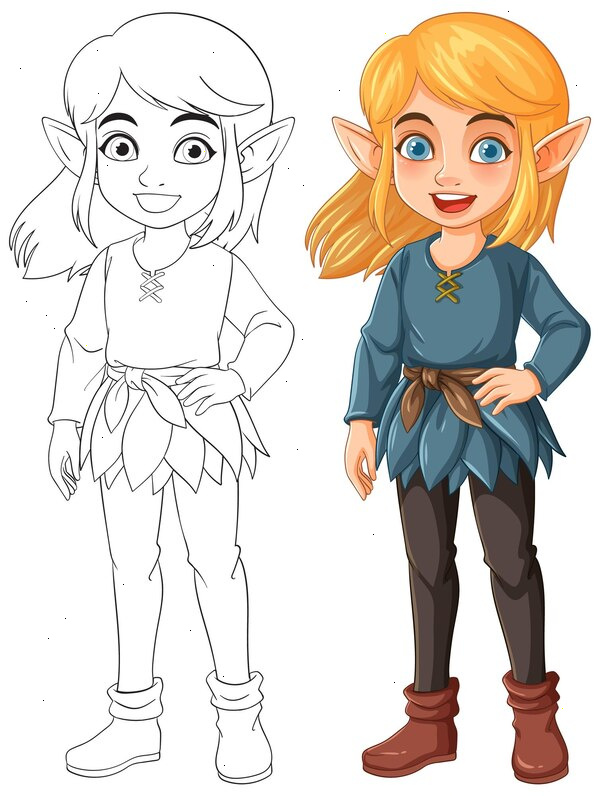
At Indigo Story Arts, every finished artwork begins as something far simpler: a fragment of a story, a fleeting mood, or a scribble in a sketchbook. The path from that first rough mark to a framed piece on the gallery wall is intentional, collaborative, and deeply narrative-driven. Here is how that journey unfolds.
1. Listening for the Story
Before any drawing happens, there is a search for the story behind the image.
Artists and curators at Indigo Story Arts spend time gathering inspiration from:
- Personal memories and everyday moments
- Literature, poetry, and folklore
- Music, film, and theater
- Conversations with visitors, community partners, and each other
Rather than starting with, “What should this look like?” the process begins with, “What does this need to say?” This shift turns each piece into a narrative rather than a decorative object. A gesture, a color, or a small visual symbol is chosen because it belongs to the story being told.
2. From Idea to First Sketch
Once the core idea is clear, it moves into the sketchbook. These first drawings are intentionally loose and exploratory.
Typical early steps include:
- Thumbnail sketches: Tiny compositions that test framing, balance, and rhythm on the page or canvas.
- Value studies: Quick black‑and‑white sketches that determine light, shadow, and contrast, ensuring the image will read clearly from a distance.
- Character and symbol exploration: Faces, hands, recurring motifs, and visual metaphors are sketched repeatedly to find the most expressive forms.
At this stage, mistakes are welcome. The sketchbook is a laboratory where the story can shift, simplify, or even radically change direction. Many ideas do not move past this phase, and that is part of the process; only the most resonant narratives are developed further.
3. Shaping the Visual Language
Indigo Story Arts is built on the belief that every artwork is part of a larger, evolving conversation. Because of this, the studio pays close attention to its shared visual language.
For each piece, artists refine:
- Color palette: Hues are chosen to reflect emotion and meaning—muted tones for quieter stories, saturated colors for moments of intensity or transformation.
- Line quality and texture: Sharp, angular lines might express tension, while soft brushwork suggests calm, memory, or vulnerability.
- Symbolic elements: Recurring images—doors, windows, birds, threads, water—carry layered meanings across multiple works.
This step ensures that a single piece feels complete on its own, but also speaks to other works in the Indigo Story Arts collection. The goal is coherence without repetition: a shared language that still leaves room for surprise.
4. Building the Artwork
When the concept, composition, and palette are in place, the work moves from sketch to full scale. The specific path differs by medium, but the underlying approach is consistent: build in stages, revise often, and stay faithful to the story.
Common stages include:
- Detailed drawing or underpainting: A more precise version of the sketch is transferred to the final surface. Proportions, perspective, and major shapes are locked in.
- Layering and refinement: Paint, ink, mixed media, or digital layers are added gradually. Artists make continual decisions about what to emphasize, obscure, or leave unfinished.
- Editing and subtraction: Not every element survives. Lines are erased, colors adjusted, entire sections repainted if they do not serve the narrative.
Throughout, the artist steps back frequently—physically and mentally—to see the piece as a viewer would. If the image no longer communicates its original intention, the process loops back to earlier stages until the work feels truthful again.
5. Collaboration and Critique
Although many hours are spent working alone, the Indigo Story Arts process is inherently collaborative.
Works in progress are shared within the studio for:
- Critique and dialogue: Fellow artists and curators offer specific feedback about composition, clarity, and emotional impact.
- Narrative alignment: The team checks whether the piece connects with Indigo Story Arts’ broader themes—identity, memory, place, and imagination.
- Audience perspective: The group asks how a first‑time viewer might interpret the image, anticipating readings the artist may not have considered.
These conversations are not about enforcing a uniform style. Instead, they help each artist articulate their own voice more clearly while remaining in conversation with the collective.
6. Finishing Touches: Titles, Texts, and Details
As the imagery stabilizes, attention turns to how the work will be encountered in the gallery.
Key final elements include:
- Title: Chosen with care, the title functions as a doorway into the piece. It may clarify the narrative, hint at a deeper layer, or deliberately leave space for multiple interpretations.
- Artist statement or story note: A short text reveals context, process, or the question behind the work, helping viewers connect visually and intellectually.
- Physical presentation: Decisions about framing, mounting, and scale are made so the piece can breathe on the wall and interact thoughtfully with nearby works.
These finishing choices acknowledge that art is not just made; it is also received. How a piece is introduced affects how its story unfolds in the mind of the viewer.
7. Curating the Gallery Experience
The final stage is where individual artworks become part of a larger narrative environment. Curators at Indigo Story Arts consider the flow of stories as visitors move through the space.
They think carefully about:
- Sequence: The order in which works are encountered can suggest a journey—from quiet introspection to collective resilience, from loss to renewal.
- Grouping: Pieces may be clustered by theme, color, or shared symbols, inviting viewers to notice echoes and connections.
- Rhythm and pacing: Intense, detailed works are balanced with more minimal pieces, giving the eye and mind time to rest and reflect.
In this way, the gallery itself becomes a kind of expanded sketchbook—a place where stories meet, overlap, and continue to evolve through viewer interpretation.
8. From Gallery to New Sketches
The process does not end with an exhibition opening. Viewer reactions, conversations, and questions become part of the next cycle of creation.
Artists leave with:
- New perspectives on existing themes
- Unexpected interpretations of their symbols and narratives
- Fresh questions that spark the next round of sketches
The journey from sketch to gallery is therefore circular rather than linear. Each completed work sends the studio back to the beginning, searching again for the next story only it can tell.
At Indigo Story Arts, this ongoing cycle—listen, sketch, build, share, reflect—is the heart of the creative process. What begins as a simple line on paper eventually becomes an invitation: for viewers to see, to feel, and to find their own stories reflected in the work.